CASE STUDY 10
Public Employment: SUNCASA: Greener Jobs, Stronger Communities
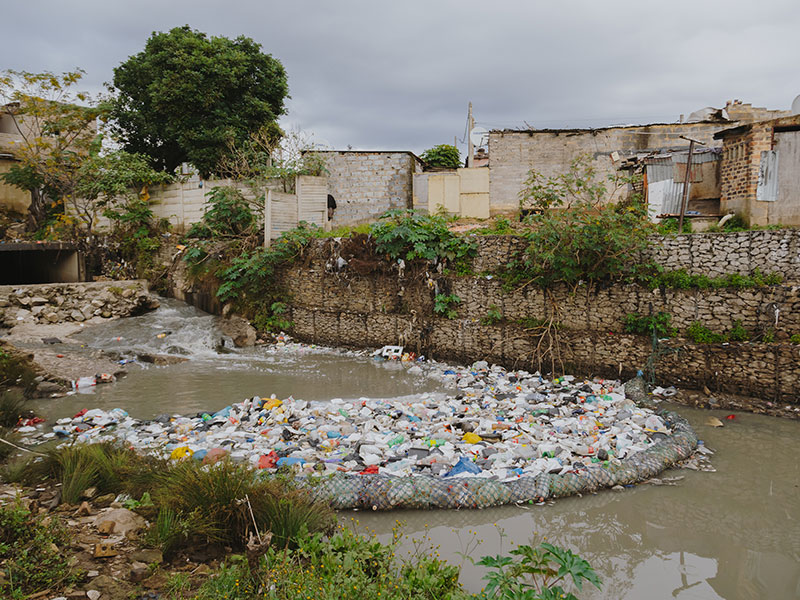
Along the Upper Jukskei River, communities in Lorenzville, Alexandra and Paulshof face the compounded impacts of flooding, polluted waterways and invasive alien vegetation that degrade river health and limit ecological function. These pressures threaten water security and intensify the urban heat island effect in surrounding neighbourhoods.
SUNCASA — the Scaling Urban Nature-based Solutions for Climate Adaptation programme — responds to both environmental and economic realities through structured partnership. Implemented collaboratively by the World Resources Institute, the Johannesburg Inner City Partnership (JICP), the International Institute for Sustainable Development and the City of Johannesburg, and funded by Global Affairs Canada, the programme integrates nature-based climate adaptation with public employment.
The other implementing partners include Alexandra Water Warriors (AWW), Johannesburg City Parks and Zoo (JCPZ), Water for the Future (WFTF) and Zutari.
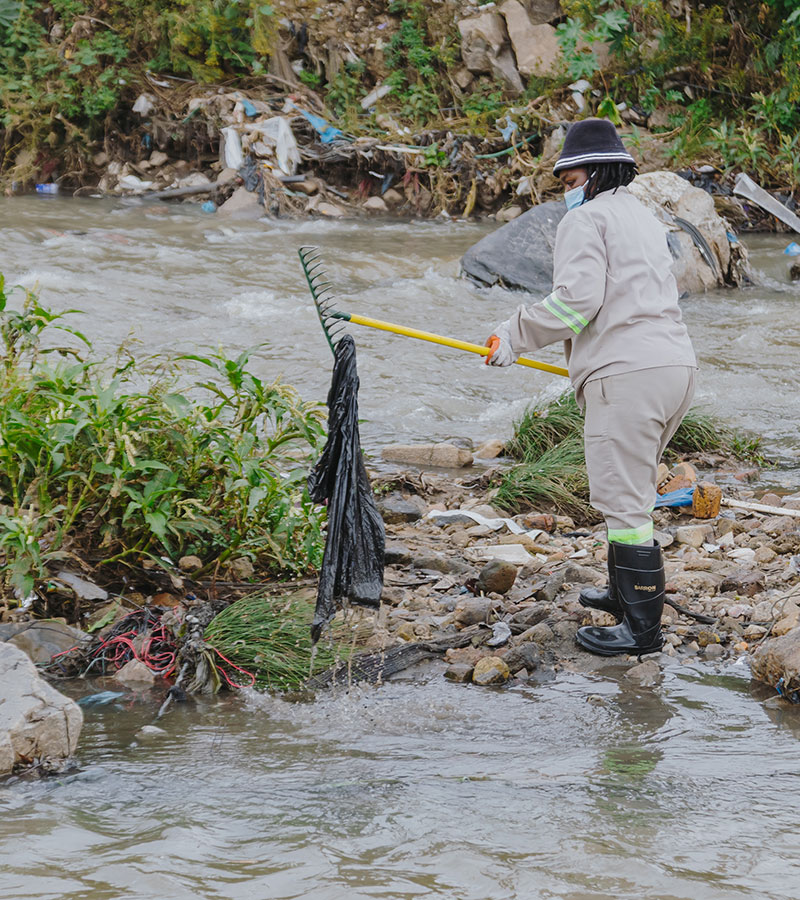
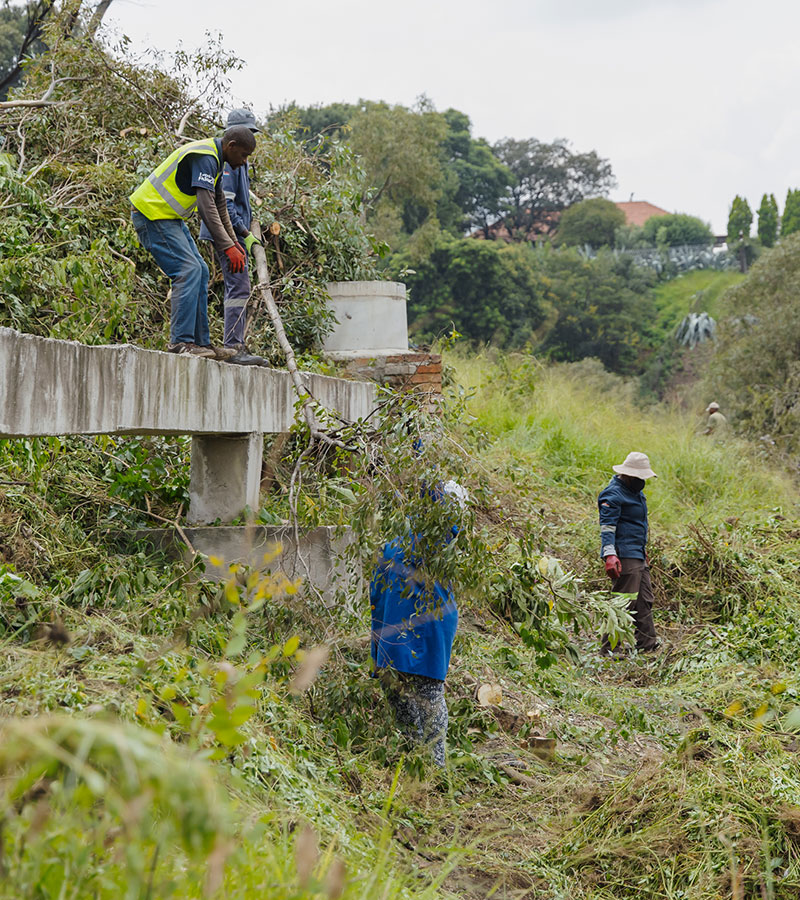
In riverine areas along the Upper Jukskei, participants undertake invasive alien plant removal and riverbank rehabilitation to restore ecological health and reduce flood risk. In neighbourhoods such as Lawley, Vlakfontein and Kanana Park, tree distribution initiatives contribute to addressing the urban heat island effect through increased canopy cover. The programme has also distributed trees in Alex and will be doing so in Soweto.
Participants receive monthly wages and gain practical skills in alien plant removal, health and safety compliance and urban greening. These skills strengthen confidence and open pathways into emerging environmental and green economy sectors. Structured employment provides income stability while building capability, particularly for women and young people who face limited access to formal work opportunities.
“The benefits of working with the JICP on SUNCASA are significant. The organisation has been around a long time and its team members know what they are doing in a very tough and complex environment. They know the people who can make things happen where it matters — on the ground, in the communities.”
SUNCASA demonstrates that climate adaptation is not an abstract policy objective. It is hands-on work carried out by local residents caring for their own environment. By investing in people as well as infrastructure, the programme strengthens both ecological systems and community resilience.